The file that lived in one person's head.
Every firm has one person who just knows a matter cold: the deadlines, the ex-husband's name, why the client cries when you mention the house. Then that person takes a week off, and the firm discovers how much of the file was never written down.
By Helena Harper, Editorial Director
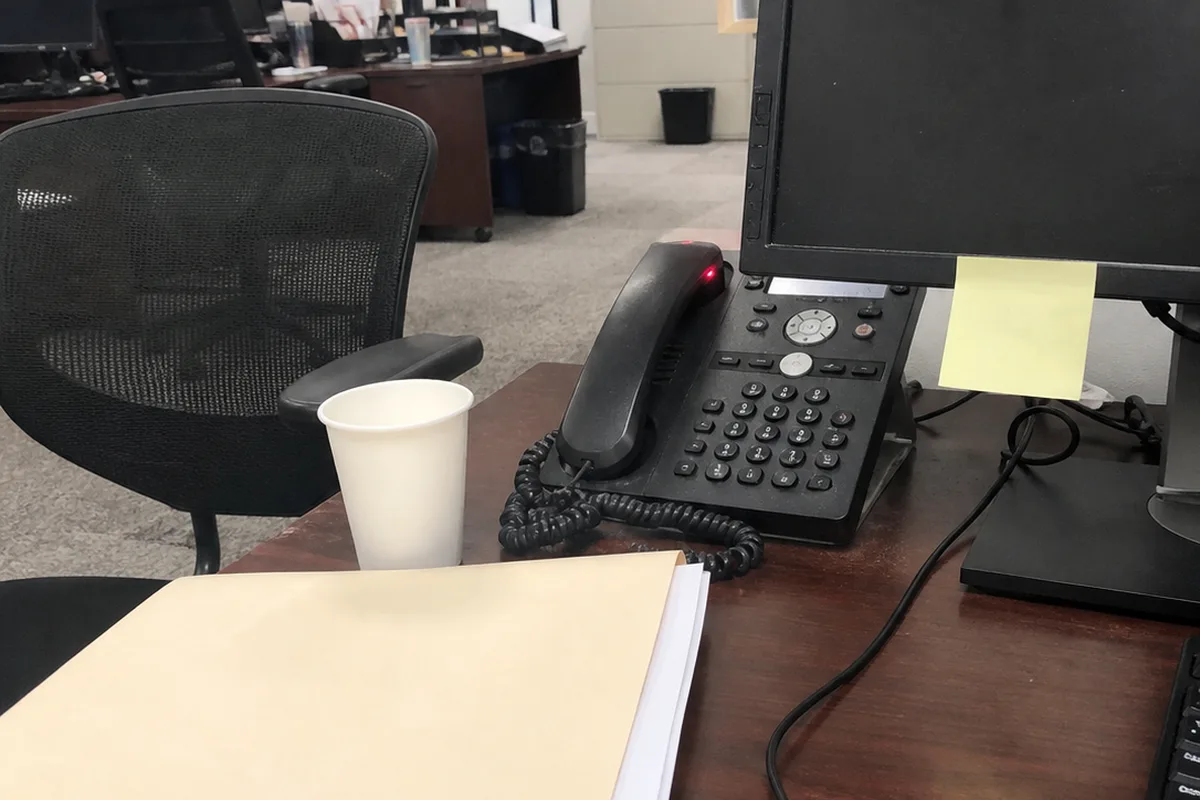
The Tuesday she was out
A client calls on a Tuesday with one urgent question. She has been a client for four months, a hard custody matter, and she has spoken to the same paralegal every time. By now they have a shorthand. The paralegal knows the ex-husband's name, knows the client goes quiet before she says the thing she actually called about, knows to ask about the older daughter by name.
But the paralegal is out this week. Her mother is having surgery, and she scheduled the time off a month ago, which is exactly how it should work.
So the call goes to someone else. And the someone else opens the matter and finds a folder with the pleadings in it, a retainer, and a handful of time entries that say things like "TC w/ client" and "email opposing counsel." All true. All useless for the question on the phone right now.
The client asks her question. There is a pause. Then: "Let me have someone call you back."
The client has heard that sentence before, from other offices, in other years. She knows what it means. It means she is going to have to explain the whole thing again to a stranger, and she is not sure she has it in her today.
The knowledge that walked out the door
Here is the uncomfortable part. The most valuable record in that matter was never in the file. It was in one person's head.
Not the pleadings. Those were in the file. The other thing. The context: who the client is, what she is afraid of, what was said on the call in June that never made it into a time entry, which of the two phone numbers actually reaches her, and the reason the last motion got pushed a week that everyone agreed to on a Thursday afternoon and no one wrote down.
When the person who holds all of that takes a week off, the matter does not pause politely and wait for them. The clients keep calling. The deadlines keep coming. And the firm operates, for a week, on a version of the file with the most important parts missing.
It is worse when the person leaves for good. Every small firm has felt the particular dread of a departing employee and the quiet realization that a dozen matters lived mostly in that employee's memory. The handoff document, if there is one, is written in a hurry and it cannot hold what was never conscious knowledge in the first place.
It isn't a filing problem
The obvious diagnosis is that the firm has a documentation discipline problem. Write more down. Better notes. A memo after every call.
The obvious diagnosis is not wrong, but it misunderstands why it keeps happening. The paralegal did not fail to write down the client's fear because she was lazy. She did not write it down because she was on the phone, being present for a frightened person, which is the entire job, and you cannot simultaneously be fully present for a human being and also be transcribing the human being.
The moment the call ends, there are two more lights blinking, and the memo that would have captured the context loses to the two calls that are happening now. It always loses. Not because anyone chose it to. Because there is one of her and there are many callers, and the work that gets deferred is always the work that has no deadline attached, which is exactly the work that turns out to matter when she is gone.
You cannot fix that by asking people to try harder to remember to write things down. The asking has been tried, in every firm, for as long as there have been firms.
What the file has to be
If a matter is going to survive one person's day off, the record has to stop depending on any one person's memory. It has to be four things at once.
Written down, not remembered
Every call, every promise, every small fact the client mentioned once. In the matter, not in a paralegal's memory or a sticky note under her monitor.
Shared, not siloed
Whoever picks up the phone can see the whole history. Not just the person who happened to take the first call in March.
Current, not a week behind
Updated the moment something happens, so the record is never stale by the length of someone's vacation.
In the client's own words
"He changed the locks Friday," not "call back re: property." The detail that tells the next person what the call is really about.
None of that is exotic. All of it is simply more than a busy person can do by hand, every call, on the day the calls do not stop.
Where we come in
This is the gap Archivar was built to close. When a call comes in, the agent has the conversation, then writes what happened into your firm's shared memory: the details, the promises, the small facts in the client's own words, attached to the matter, the moment they are said. Nothing waits for a memo that never gets written.
So the Tuesday the paralegal is out, whoever answers is not starting from a folder of pleadings and a shrug. The history is right there, in front of them, current to the last call. The client does not have to start over. And the knowledge that used to live in one person's head lives in the firm instead, where a week off, or a resignation, cannot take it away.
There is a hard line on the other side of that. Archivar supports your attorneys and staff. It never gives legal advice or replaces a lawyer's judgment. It keeps the record, so the record is there for the person who does. The judgment, the strategy, and the relationship stay exactly where they belong: with your people.
Your best paralegal is going to take a vacation. She has earned it, and the firm should not quietly hope she doesn't.
A matter that only one person can answer is not really in the file. It is on loan, for as long as that person shows up.
Archivar
The Archivar Editorial Desk
General information for attorneys, not legal advice.